

If you’ve lived with chronic pain long enough, you start to measure your days differently. You notice the hours when the ache is dull enough to ignore and the moments when it spikes for no apparent reason. You learn which chairs make it worse, which shoes help a little, and how long you can stand in one position before you need to move.
That’s the thing about chronic pain, it isn’t just the pain itself. It’s the way it shapes your habits, your mood, even your sense of what’s possible in a day.
For many people, traditional treatments like medication, physical therapy, or surgery are either not enough, not appealing, or not an option at all. And that’s where newer, non-invasive approaches like Pulse Wave Therapy start to catch attention.
So, What Exactly Is Pulse Wave Therapy?
Pulse Wave Therapy is sometimes called acoustic wave therapy, shockwave therapy, or even radial pulse therapy (depending on the technology used). The basic idea is simple enough: sound waves are delivered into targeted areas of the body to stimulate blood flow, encourage tissue repair, and break down adhesions or scar tissue.
These are not the kind of sound waves you hear with your ears. They’re high-energy pulses that create a gentle mechanical effect inside your body. Think of it as giving your tissues a nudge, one that tells them, “Hey, it’s time to heal.”
For chronic pain sufferers, this is appealing because it focuses on the underlying issues, reduced circulation, scar tissue buildup, and inflammation, rather than just masking symptoms.
How It Works (Without Getting Too Technical)
Imagine you have an old garden hose that’s been sitting unused. The water trickles through, but the flow is weak because there’s a buildup inside. Pulse Wave Therapy, in a way, is like sending vibrations through that hose to shake loose the buildup, open up pathways, and let water flow freely again.
Inside your body, those “vibrations” come in the form of acoustic pulses. They stimulate tiny blood vessels to open, promote the growth of new ones, and help break down fibrous tissue that might be restricting movement or causing pain.
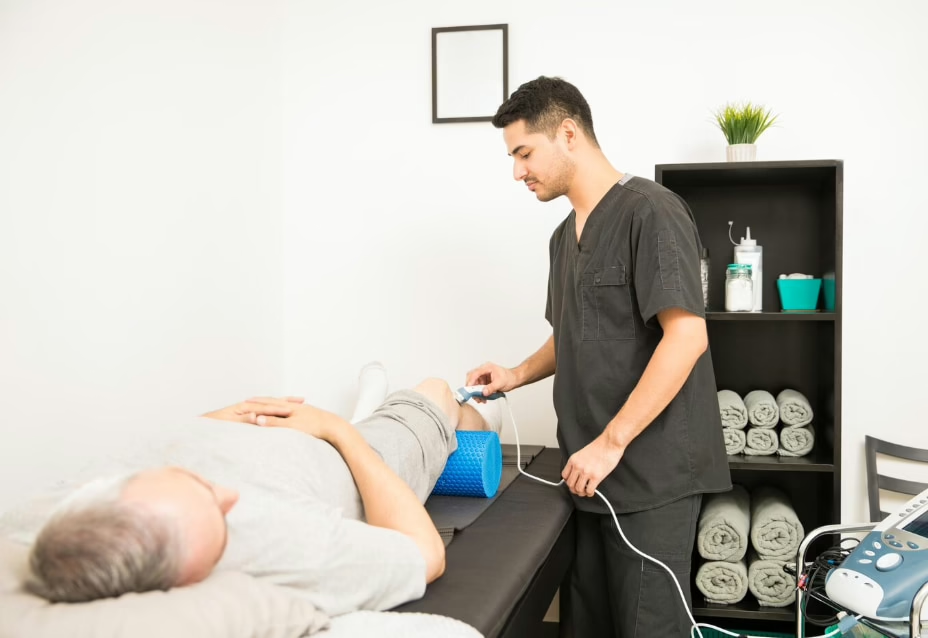
The treatment is applied using a handheld device, and each session targets specific problem areas. It’s non-invasive, meaning there are no needles, no incisions, and no downtime required afterward.
Why Chronic Pain Responds to Pulse Wave Therapy
Chronic pain isn’t always about a single injury often the result of repeated stress, old injuries that never healed properly, or degenerative changes in the body over time.
Pulse Wave Therapy helps by:
- Improving blood flow to nourish tissues.
- Stimulating cell activity so your body’s natural healing processes kick in.
- Breaking down scar tissue that may be restricting movement.
- Reducing inflammation in targeted areas.
It’s not a magic switch that turns pain off instantly, but for many people, the cumulative effects over multiple sessions can be significant.
Conditions It May Help
Although every patient is different, some of the chronic pain conditions often treated with Pulse Wave Therapy include:
- Tendonitis (like tennis elbow or Achilles tendonitis)
- Plantar fasciitis
- Chronic back or neck pain
- Shoulder pain from rotator cuff injuries
- Scar tissue discomfort after surgery or injury
- Hip pain from bursitis or muscle strain
There’s also some growing interest in its role for nerve-related pain, though research there is still developing.
What to Expect During a Session
If you’re imagining something dramatic, it’s not that kind of treatment. A typical Pulse Wave Therapy session is straightforward. You’ll be positioned so the practitioner can access the area being treated. A gel similar to what’s used in ultrasounds is applied to help the device glide and transmit the sound waves efficiently.
The device is then moved over the targeted area, delivering pulses. Most patients describe the sensation as tapping or a mild thumping inside the tissues. Depending on your pain threshold and the settings used, you might feel more or less intensity.
Sessions are usually short, often 10–20 minutes, and there’s no recovery time afterward. You might feel some mild soreness in the treated area for a day or two, but it typically fades quickly.
How Many Sessions Will You Need?
Here’s where the answer is: it depends. Some people notice improvement after the first or second session, while others may need a series of treatments to see results.
Factors like the severity of your condition, how long you’ve had it, and your overall health can influence the timeline. Many treatment plans involve 4–8 sessions spread over several weeks, but your provider will tailor the schedule to your needs.
The Advantages Over Other Pain Treatments
One of the big appeals of Pulse Wave Therapy is that it’s non-invasive. There’s no need for anesthesia, no long recovery period, and minimal risk of complications. For people who want to avoid surgery or reduce reliance on pain medication, that’s a huge plus.
It’s also a targeted therapy, you can focus on the exact areas causing trouble, rather than taking a systemic approach that affects the whole body.
Are There Any Risks?
While Pulse Wave Therapy is considered safe for most people, it’s not for everyone. People with blood-clotting disorders, certain heart conditions, or who are pregnant may need to avoid it. And if you have an acute injury with swelling or a fracture, your provider might recommend waiting until it heals before starting treatment.
Side effects are usually mild, temporary soreness, slight swelling, or redness at the treatment site. These effects generally resolve within a few days.

Setting Realistic Expectations
Here’s the thing about Pulse Wave Therapy promising, but it’s not a miracle cure. Results vary from person to person, and it works best as part of a broader approach to managing chronic pain. That might include exercise, posture correction, nutrition, and other therapies recommended by your healthcare provider.
If you expect to walk in with severe pain and walk out completely cured, you may be setting yourself up for disappointment. If you approach it as a tool, one that can help you improve function, reduce pain, and get more out of your other treatments, you’ll likely be much happier with the outcome.
Combining Pulse Wave Therapy With Chiropractic Care
This is where it gets interesting for patients of Livewell Chiropractic. Chiropractic care focuses on improving alignment, mobility, and nervous system function, which can already help reduce certain types of pain. Adding Pulse Wave Therapy to the mix means you’re addressing both structural and tissue-level issues at the same time.
For example, if poor joint alignment has led to chronic muscle strain, adjustments can improve mechanics, while Pulse Wave Therapy helps the muscles and connective tissues recover more fully. It’s a more comprehensive approach that can make a real difference in daily comfort.
How to Decide if It’s Right for You
If you’ve been dealing with chronic pain for months or years, and other treatments haven’t brought enough relief, it may be worth exploring Pulse Wave Therapy.
Start by having a conversation with a qualified provider, someone who can assess not just your symptoms but the underlying causes. Ask about their experience with the therapy, what kind of results they’ve seen with similar cases, and how they would integrate it into your overall care plan.
Livewell Chiropractic: Your Partner in Pain Relief
At Livewell Chiropractic, Pulse Wave Therapy isn’t offered in isolation part of a thoughtful, individualized approach to chronic pain management. Each patient is evaluated for their specific needs, history, and goals before a treatment plan is designed.
Whether your pain stems from a sports injury that never quite healed, years of repetitive work strain, or the slow wear and tear of everyday life, the goal is the same: to help you move better, hurt less, and reclaim the parts of your day pain has been stealing.
If you’re curious about Pulse Wave Therapy and whether it might fit into your recovery journey, Livewell Chiropractic is ready to guide you through the options, answer your questions, and help you make an informed choice.
Final Thoughts
Chronic pain can be stubborn, and managing it often requires more than one strategy. Pulse Wave Therapy offers a safe, non-invasive option that targets the underlying tissues, improves blood flow, and encourages the body’s natural healing processes.
It may not be the only tool you need, but for many, it’s a valuable one, especially when combined with other treatments like chiropractic care. The first step is simple: start the conversation, ask the questions, and see whether this therapy could be the next move toward living with less pain and more freedom.
Get in Touch
Email address: info@LiveWellchiroFL.com
Telephone Number: 727-591-0550