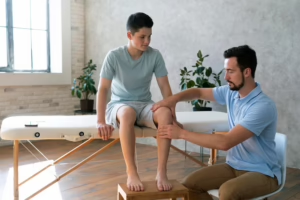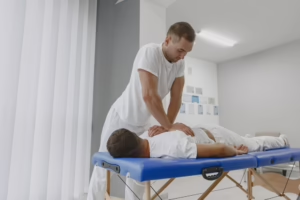

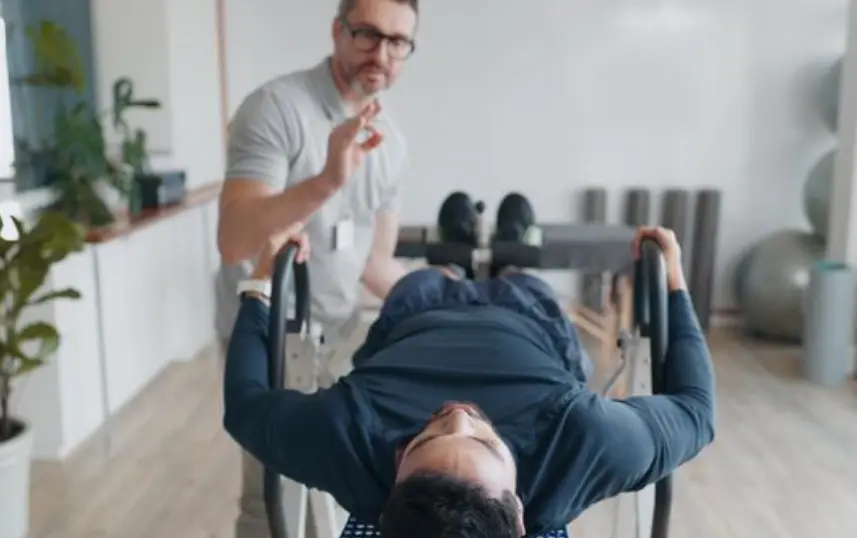
You don’t plan a fall. It just… happens. One second you’re steady, the next you’re bracing for impact and thinking, this is going to hurt tomorrow. Pain after a slip and fall can be sneaky—sometimes sharp right away, sometimes a slow stiffness that creeps in overnight. Either way, the goal is the same: get you back to moving, sleeping, and working without wincing. That’s where Chiropractic Care For Slip And Fall Injuries really earns its name. It’s hands-on, it’s structured, and—when done thoughtfully—it focuses on your whole picture, not just the sore spot. And yes, I’ll say it plainly: early, targeted care can change your recovery arc.
I’m writing this with accident victims in mind. Maybe you’re reading this with an ice pack nearby, or maybe you’re trying to decide if the pain will “just go away.” I’ve seen both paths. The wait-and-hope route isn’t always wrong, but it’s rarely the fastest. Chiropractic Care For Slip And Fall Injuries is about momentum—gentle at first, then building—so healing isn’t just possible; it’s measured.
Why Chiropractic After A Fall?
A fall is a full-body event. Even when one area screams the loudest—neck, lower back, hip—force travels. Muscles splint. Joints tighten to protect you. Nerves get irritated. The dominoes don’t always fall in order. Chiropractic Care For Slip And Fall Injuries maps those dominoes and starts putting them back where they belong. It’s equal parts detective work and careful mechanics.
A good chiropractor for slip and fall injuries will start by asking about the surface, the shoes, the angle of the fall, even your first move after you stood up. Those clues matter. They guide which joints likely jammed, which soft tissues strained, and which patterns (like guarding) are still lingering.
Step One: A Careful Assessment (not guesswork)
Expect a thorough intake—history, symptom map, and functional testing. Range of motion, neurological checks (reflexes, strength, sensation), orthopedic maneuvers (yes, those oddly specific ones), and posture/gait analysis. Imaging isn’t automatic, but when it’s appropriate—X-ray to rule out fracture or alignment issues, MRI if there’s suspected disc or ligament injury—it’s worth doing. Chiropractic Care For Slip And Fall Injuries isn’t anti-imaging; it’s pro-clarity.
At Livewell Chiropractic, we document baselines you can understand: numbers you can track, movements you can feel improving, and pain scales tied to real activities (like putting on shoes or getting out of the car).
The Plan: Precise, Progressive, Personal
Care after a fall should feel like a well-fitted jacket—supportive, not suffocating. Here’s the structure we use and why it works:
1) Reduce pain and calm irritation
- Gentle adjustments to restore joint motion without provoking spasm.
- Soft-tissue therapy (myofascial release, instrument-assisted work) to ease protective tightness.
- Modalities as needed—ice/heat protocols, electrical stimulation, laser for tissue healing.
Chiropractic Care For Slip And Fall Injuries starts small here; you should leave feeling better, not braver.
2) Restore movement you actually use
- Segmental mobility in the spine and hips so daily mechanics feel normal again.
- Controlled mobility drills (think: pelvic tilts, thoracic openers) that don’t flare symptoms.
- Re-train breathing patterns—quietly powerful for reducing bracing and pain sensitivity.
3) Build durable strength and coordination
- Stability work for deep core and glutes (the unsung heroes of balance).
- Balance drills—eyes open/closed, single-leg variations—because slips don’t warn you first.
- Return-to-task practice: lifting groceries, desk ergonomics, car transfers.
This is the part of Chiropractic Care For Slip And Fall Injuries people underestimate. Strong beats careful once pain is controlled.
4) Protect the progress
- Home programming that fits in minutes, not hours.
- Micro-habits: how you sit, how you sleep, how you pick up that stubborn laundry basket.
- Spaced-out rechecks to keep gains—and catch backslides fast.
Timelines: Honest Expectations (with room for real life)
- Acute strains and sprains: 2–6 weeks for substantial improvement with consistent care.
- Moderate tissue injury or aggravation of old issues: 6–12 weeks, sometimes longer if you had prior disc or joint problems.
- Nerve irritation (radiculopathy, sciatica-like): variable—early decompression and movement hygiene make the difference.
Healing isn’t a straight line. You’ll have days that feel incredible and a random morning that’s cranky for no clear reason. Chiropractic Care For Slip And Fall Injuries anticipates those ripples and adjusts the plan rather than forcing it.
Pain Science In Plain Terms
Pain after a fall is part hardware (tissues) and part software (your nervous system learning to be cautious). Gentle, repeated “safe” inputs—joint motion, graded loading, calm breath—teach the system to down-regulate. That’s why the ingredients of Chiropractic Care For Slip And Fall Injuries show up several times a week at first. It’s not overkill; it’s how biology learns.
When To Be Cautious (or seek co-care)
Red flags deserve rapid attention:
- Unrelenting night pain, fever, unexplained weight loss
- Progressive weakness, bowel/bladder changes, saddle anesthesia
- Severe head trauma, confusion, or anticoagulant use with head strike
We co-manage with primary care, urgent care, and orthopedics when needed. Chiropractic Care For Slip And Fall Injuries isn’t a silo; it’s a lane in a larger road system that includes imaging, medications when appropriate, and—in rare cases—surgical consult.
Legal And Insurance: Documenting What Matters
If your fall involves a property claim or litigation, documentation is not optional. We chart onset, mechanisms, objective deficits, response to care, work limitations, and functional milestones. Clear records support chiropractic care for personal injury claims because they show causation and progress without drama. You’re getting better; the paper should prove it.
A seasoned chiropractor for slip and fall injuries also knows how to write activity restrictions that are realistic for your job. “No lifting over 10 lbs” means something different in a warehouse than it does at a desk. We tailor it, then adjust as you improve.
At-Home Care That Actually Helps
- The 30-30 rule: every 30 minutes of sitting, move 30 seconds—stand, walk, or do two mobility reps.
- Sleep smarter: side-lying with a pillow between knees, or on your back with a small pillow under the knees.
- Heat vs. ice: ice in the first 48–72 hours for sharp swelling; gentle heat later for stiffness—pay attention to how your body votes.
- Micro-strength: 3–5 minutes, twice daily—bird-dogs, side-steps with a loop band, calf raises while the kettle boils.
These aren’t chores; they’re the glue that holds Chiropractic Care For Slip And Fall Injuries together between visits.
Common Injuries We See After Slips—And How We Approach Them
- Cervical sprain/strain (whiplash-like): restore upper-thoracic motion, gentle cervical adjustments/mobilizations, scapular stability, screen for concussion symptoms.
- Lumbar facet irritation or disc aggravation: directional preference exercises (finding what eases), hip mobility, staged core progressions, education on hinge mechanics.
- Hip contusions / gluteal strain: soft-tissue work, graded loading for glute med/min, gait cues to reduce limp patterns.
- Knee tweaks (MCL, meniscus irritation): unload acute irritation, progress closed-chain strength, balance work to prevent re-injury.
Each path is different; the framework stays steady. That’s the discipline of Chiropractic Care For Slip And Fall Injuries—consistent principles, custom application.
Work And Life: Returning Without Relapsing
We’d rather you return a touch earlier with guardrails than wait forever and lose confidence. Graduated exposure—half days, modified duties, planned movement breaks—beats an all-or-nothing comeback. We’ll put it in writing, then help you phase out restrictions as you hit benchmarks.
And if you’re a caretaker, parent, or just stubbornly independent (many of us are), we’ll practice specific lifts, holds, and carries you actually do at home. Rehearsal is therapy.
Prevention (yes, it matters after the fact)
Recovery is the perfect moment to lower the odds of a repeat fall:
- Footwear with real tread (and replace it before it’s smooth).
- Simple balance work, even 60 seconds a day.
- Lighting and clutter audits at home—boring and wildly effective.
- Seasonal awareness: wet leaves, polished tile, invisible ice.
We’re not aiming for perfect. We’re aiming for fewer oops moments.
Why Choose Livewell Chiropractic
You want care that meets you where you are and nudges you forward—not too much, not too little. At Livewell Chiropractic, we’ve built our process around clarity and calm. You’ll know what we’re doing, why we’re doing it, and how we’ll know it worked. We coordinate with other providers when needed and support chiropractic care for personal injury claims with clean documentation—no puff, just facts.
If you need a chiropractor for slip and fall injuries, we’ll make the first visit simple: evaluate, reduce pain where we can, give you one or two effective things to do tonight, and set an honest plan for the next two weeks. Small wins, then bigger ones.
FAQ
What should I do right after a slip and fall accident?
- Check for red flags (head strike, severe pain, bleeding, numbness/weakness). Call emergency care if present.
- Document the scene if safe: photos, conditions (wet floor, uneven surface), names of witnesses.
- Report the incident to the property owner/manager.
- Seek evaluation—even if pain seems “not terrible.” Early assessment prevents small injuries from becoming big ones.
- Start gentle care: ice in the first 48–72 hours for acute swelling, light walking if tolerable, avoid heavy lifting. Then book with a provider experienced in Chiropractic Care For Slip And Fall Injuries to map a plan.
Will I need imaging?
Sometimes. If exam findings suggest fracture, significant ligament injury, or nerve compromise—or if symptoms don’t improve—we’ll refer for X-ray or MRI.
How many visits will I need?
It depends on severity, job demands, and history. Many acute cases improve meaningfully within 4–8 visits. We reassess regularly and taper frequency as you progress.
Can chiropractic work with my medical doctor or attorney?
Absolutely. We coordinate care, share records with your consent, and provide treatment notes that support chiropractic care for personal injury claims when applicable.
What if I already have chronic back or neck issues?
We’ll adjust the plan. Recovery may take longer, but progress is still the goal—measured by function, not just pain.
A small, practical ending
Recovery rarely feels dramatic. It’s a stack of modest days that slowly tilt in your favor—less guarding, more movement, a night of sleep without that familiar twinge. If you need help getting that momentum back, Chiropractic Care For Slip And Fall Injuries offers a clear, humane path: calm the pain, restore what you use, make it stronger, protect the gains. Then—gently—go live your life again.
If you’re ready to start, Livewell Chiropractic will meet you where you are today and walk with you, step by step, until “careful” gives way to “confident.”