
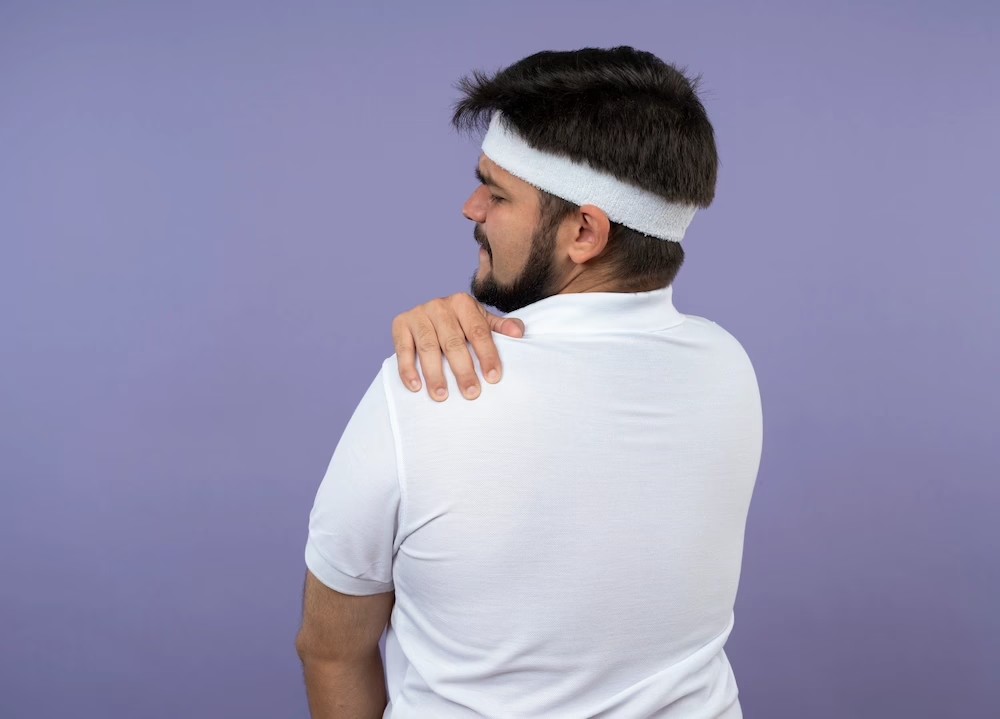
That tight, aching knot between your shoulder blades is one of the most stubborn complaints there is. You rub it, you stretch it, maybe you get a massage that feels great for a day, and then it’s right back. The reason it keeps returning is that the knot itself usually isn’t the actual problem. It’s a symptom of something happening elsewhere, and until that something is addressed, the knot keeps coming back no matter how much you work on it directly.
What That Knot Actually Is
The knot you feel between your shoulder blades is typically a tight, irritable band of muscle, often in the rhomboids or middle trapezius, the muscles that sit between your spine and shoulder blade. These muscles are responsible for holding your shoulder blades back and stabilizing your upper back.
When they’re under constant strain, they develop areas of sustained contraction that feel like a hard, tender knot. Press on it and it might radiate or refer pain to nearby areas. It aches with stress, worsens by the end of the day, and never seems to fully release.
Here’s the key insight though. These muscles rarely knot up for no reason. They’re usually being overworked because of something happening with your posture and the structures around them. The knot is the downstream result.
Why the Knot Keeps Coming Back
Forward Head and Rounded Shoulder Posture
This is the most common driver by far. When your head sits forward and your shoulders round forward, which happens with nearly everyone who works at a computer or spends time on a phone, the muscles between your shoulder blades get stretched and overworked trying to hold your shoulder blades back against that forward pull.
They’re essentially fighting a losing battle all day long, contracting constantly to resist a posture that’s working against them. The result is chronic tension and the familiar knot. This is why postural issues are almost always part of the picture with this complaint.
Restricted Movement in the Upper Back and Neck
When the joints in your upper back and neck aren’t moving properly, the surrounding muscles compensate by working harder and tensing up. Restricted thoracic and cervical joints are a frequent and often overlooked cause of that knot between the shoulder blades. The muscle is tight because the joints underneath it aren’t doing their job.
Stress
People hold stress in their upper back and shoulders. When you’re tense, anxious, or under pressure, the muscles around your shoulder blades and neck contract and stay contracted. For many people, that knot is partly a physical manifestation of the stress they’re carrying.
Weak Mid-Back Muscles
When the deeper postural muscles of the mid-back are weak, the rhomboids and trapezius have to overwork to make up for it. Overworked muscles become tight, irritable muscles, and the knot is the result.
Why Massage Alone Doesn’t Fix It
Massage feels wonderful on that knot, and it does provide genuine, if temporary, relief. It increases blood flow, relaxes the muscle, and eases the tension for a while. The problem is that massage addresses the symptom, not the cause.
If the knot is there because your posture is pulling on those muscles all day, or because the joints underneath aren’t moving properly, then relaxing the muscle temporarily doesn’t change anything about why it tightened up in the first place. The posture is still there. The joint restriction is still there. So within a day or two, the muscle tightens right back up. This is the frustrating cycle so many people get stuck in.
How We Address It at LiveWell Chiropractic
At LiveWell Chiropractic Health Center in Clearwater, the goal with that persistent knot is to find and fix what’s driving it, not just to release the muscle over and over. We assess your posture, evaluate how your upper back and neck joints are moving, check the strength and balance of your mid-back muscles, and identify the specific factors keeping that muscle tight.
From there, treatment addresses the actual cause. Chiropractic adjustments restore proper movement to the restricted joints in your upper back and neck, which takes the compensatory load off the overworked muscles. When the joints move correctly, the muscles no longer have to work overtime, and the tension has a real chance to resolve.
Soft tissue work releases the knot directly, which provides relief and helps reset the muscle, but now it’s paired with addressing why it knotted up. Rehabilitation exercises correct the postural patterns and strengthen the weak mid-back muscles so the rhomboids and trapezius aren’t constantly overworked. This is the part that actually breaks the cycle.
We also give practical guidance on the daily habits feeding the problem, particularly workstation setup and screen posture, since changing those daily forces is essential to keeping the knot from returning.
When It’s Worth Getting Assessed
If you’ve got a knot between your shoulder blades that’s been there for weeks or months, that keeps returning despite massage and stretching, or that’s interfering with your daily comfort, it’s worth having properly assessed. The recurring nature of it is the clue. A symptom that keeps coming back has an underlying cause that hasn’t been addressed, and identifying it is what finally provides lasting relief.
Frequently Asked Questions
Why does the knot feel better after massage but come right back?
Massage relaxes the muscle temporarily but doesn’t change the posture or joint restriction causing it to tighten. Once you return to the positions and patterns that overwork the muscle, it knots up again. Lasting relief requires addressing those underlying causes alongside the muscle itself.
Can poor posture really cause this much tension?
Yes. Forward head and rounded shoulder posture keeps the muscles between your shoulder blades under constant strain throughout the day. Over time this sustained overwork is one of the most common reasons that knot develops and persists.
How long until the knot actually goes away for good?
Many people feel noticeable relief within the first few weeks as the joints are mobilized and tension eases. Keeping it gone depends on correcting the posture and muscle imbalances driving it, which is where the rehabilitation work comes in.
If that knot between your shoulder blades has worn out its welcome in the Clearwater area, we’d be glad to help you finally address what’s causing it. Call us at (727) 591-0550 or book your consultation online at LiveWell Chiropractic Health Center.