
A sports injury chiropractor helps athletes recover from sprains, strains, tendon pain, and overuse injuries by finding what’s driving the problem, using hands-on care to restore joint motion and ease tight tissue, and building strength and control with a clear, step-by-step return-to-play plan. Many athletes notice a change within the first few visits, while tendon problems and long-standing injuries usually take several weeks. At LiveWell Chiropractic in Dunedin, I work with athletes from Clearwater, Palm Harbor, and nearby communities.
You want to get back out there, not someday, but soon. The goal is simple: reduce pain, restore clean movement, and return to play without the fear that something will flare up again. It isn’t magic. It’s a plan.
Get Medical Care Right Away for These Signs
Stop and call 911 for chest pain, fainting, or severe shortness of breath during or after exercise. Get prompt medical care for:
- A head injury with headache, confusion, dizziness, or memory problems, which can be a concussion. Don’t return to play until you’re medically cleared.
- A pop followed by fast swelling, a joint that looks deformed, or being unable to bear weight
- Numbness, tingling, or weakness that doesn’t fade
- Pain that wakes you at night, or bone pain that keeps getting worse with activity
What a Sports Injury Chiropractor Does
I look at the whole movement chain, not just the sore spot. If your knee hurts, I’ll still check your hips, ankles, and how your core works when you cut or land, because sports rarely load just one joint.
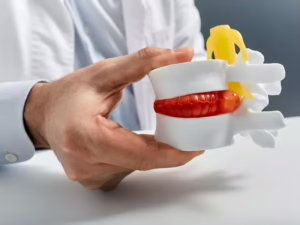
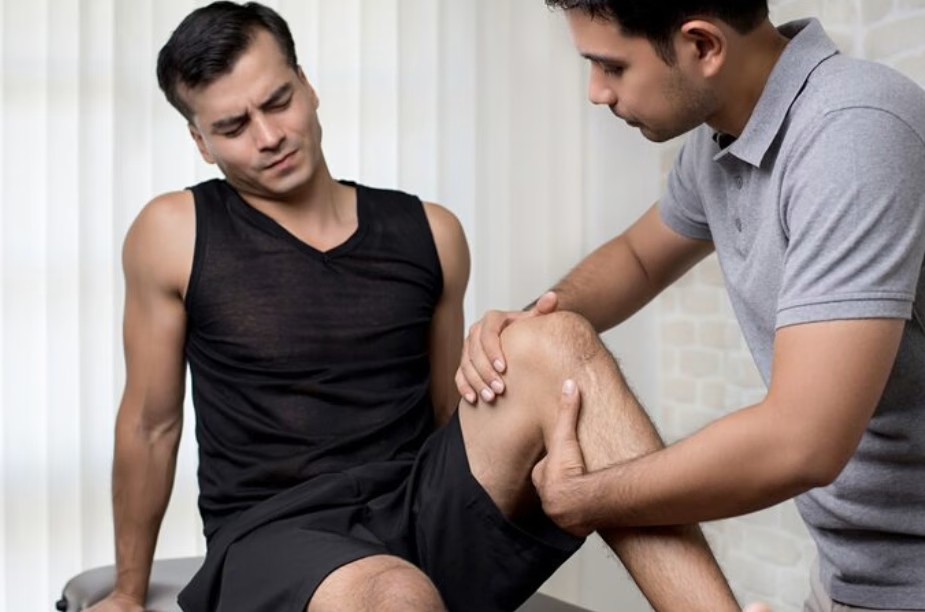
The work starts with a full assessment: range of motion, strength testing, hands-on examination, and specific tests for common problems like ankle sprains, runner’s knee, tennis elbow, or low back strain. You should leave knowing which tissues are irritated, which are weak, and which are tight, so you have a clear map to follow.
Why Athletes Choose Chiropractic Care
Athletes like cause and effect, and hands-on care often delivers it. When stiff joints move more freely, movement can feel easier right away. Combined with soft tissue work, mobility drills, and strength progressions, it offers a balance of quick relief and long-term control.
- Appointments are efficient: you’re treated, coached, and sent out with a simple plan.
- Care matches your training cycle, focusing on protection and performance in season, and building capacity in the off-season.
- You get movement-based homework that fits into a warm-up or cool-down.
Treatments You’ll Likely See
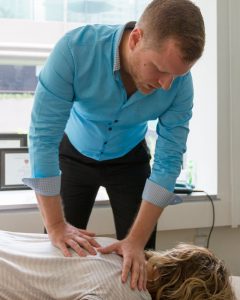
- Joint adjustments: gentle, targeted techniques to restore motion where a joint is stiff.
- Instrument-assisted soft tissue work: to ease tight, overworked tissue.
- Myofascial release and trigger point therapy: useful for stubborn hamstrings, calves, hip flexors, and shoulders.
- Active mobilizations: you move while I guide a joint or tissue, which mirrors how you move in sport.
- Neuromuscular retraining: balance drills, tempo holds, and controlled challenges to rebuild control.
- Strength progressions: starting with holds and short ranges, then full range, increasing load only when form holds. Our rehabilitation program builds this in.
- Shockwave therapy: for stubborn tendon problems, shockwave therapy may help when other care has stalled.
- Return-to-run or return-to-throw progressions: clear steps with criteria, not just dates.
I also cover recovery basics like sleep, protein, and hydration, since they support how your tissues heal.
Building Your Return-to-Play Plan
Returning too soon is tempting. A good plan slows that rush just enough to keep you safe without benching you for no reason. It usually moves through phases:
- Calm it down: reduce pain and swelling, and restore basic motion.
- Control the pattern: rebuild clean mechanics, like hip, knee, and ankle alignment, shoulder blade control for throwers, and landing mechanics for jumpers.
- Add load: strength work and sport-specific drills, increasing volume only if soreness settles by the next day.
- Add speed and unpredictability: cutting, reaction, and contact, once you pass tests like hop tests and single-leg control.
- Full return: practice minutes first, then game minutes, while keeping your activation drills and cool-down.
Clear criteria let you see progress and know exactly what’s left.
Sport-Specific Notes
- Runners: stride changes, calf strength, hip stability, foot strength, cadence work, and a gradual mileage ramp.
- Lifters: bracing, mid-back mobility, tempo control, and bar path drills.
- Throwers and swimmers: shoulder blade rhythm, mid-back rotation, rotator cuff endurance, and volume control.
- Field and court athletes: deceleration, cutting mechanics, and hamstring resilience.
- Cyclists: hip flexor tightness, glute strength, and a bike fit that matches your body.
Common Injuries I See
- Ankle sprains: balance and lower leg strength shape the long-term outcome.
- Hamstring strains: eccentric strengthening, holds at longer muscle lengths, and sprint mechanics.
- Patellar tendinopathy: slow squats, isometric holds, and careful load management.
- Low back pain: hip mobility, core endurance, and hip-hinge technique.
- Shoulder pain: shoulder blade control and rotator cuff endurance.
Preventing the Next Injury
Prevention works best when it’s simple enough to stick with:
- Five minutes of mobility for your personal problem spots
- Two or three strength moves for your weak links
- One balance or power primer
- A weekly check-in movement you film on your phone, like a single-leg squat
Read more in our post on preventing sports injuries, and see our post on chiropractic care for athletic performance.
What to Expect
Most athletes feel a change in the first two to three visits. Not perfect, just better. Bigger rebuilds take longer, often four to eight weeks for tendon problems and long-standing flare-ups. You can usually keep training around the injury while you heal. Learn more about our athlete care.
Frequently Asked Questions
How soon can I return to my sport?
It depends on the injury. Many athletes return to modified practice within one to two weeks for mild strains or sprains, guided by tests like pain-free range of motion and good single-leg control.
Do I need imaging first?
Not always. If the exam suggests a serious tear, fracture, or nerve involvement, imaging helps. If progress stalls, it can also be useful.
How many visits will I need?
Many athletes need around six to eight visits, then shift to occasional tune-ups during heavy training.
Can I keep training while injured?
Usually, yes, with modifications and a clear path back to full volume.
Do adjustments hurt?
They shouldn’t. Techniques are gentle and targeted, and most athletes feel a quick release and easier movement.
Get Back in the Game
If you’re ready to move without guarding every step, I’d be glad to help. Call LiveWell Chiropractic in Dunedin at (727) 591-0550 or book your assessment online.