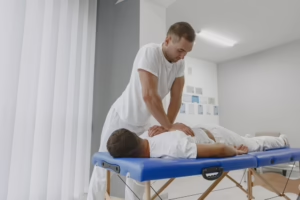


If you’ve never seen a chiropractor before, it’s completely normal to have questions – or even some apprehension – about what the experience involves. Most people who hesitate do so because they don’t know what to expect, not because they’ve decided it isn’t for them. Here’s an honest, straightforward walkthrough of what your first chiropractic visit at LiveWell Chiropractic Health Center in Clearwater actually looks like, from the moment you arrive to leaving with a clear plan.
Before Your Appointment
A few practical things to take care of beforehand will help your first visit run smoothly. You can fill out your new patient intake forms online ahead of time through our patient intake form page, which saves time at the office. Wear comfortable clothing you can move in – we’ll be assessing your range of motion and posture, so athletic wear or anything that doesn’t restrict movement works well.
Bring any relevant imaging you already have – X-rays, MRI reports, or prior treatment records. These give us useful context, though we don’t always rely on outside imaging if we need a current, specific view of your spine.
If you have insurance, bring your card. And if you have questions about coverage before you come in, calling ahead at (727) 591-0550 is the easiest way to get clarity.
Step 1: The Consultation
Your first visit begins with a real conversation – not a rushed intake form review. We want to understand what’s going on before we examine anything. That means asking about your primary complaint, how it started, how long it’s been present, and what makes it better or worse. We also ask about your health history, any prior injuries or treatments, and what your daily life and activity level look like.
This consultation matters because the same symptom in two different patients can have entirely different causes. Understanding your full picture is what allows us to build a plan that actually addresses your specific situation rather than applying a generic protocol.
We also want to know your goals. Are you trying to get out of pain as quickly as possible? Stay active through a sport or hobby? Avoid surgery? Manage a chronic condition long-term? Knowing where you’re trying to get to helps us map the right path to get there.
Step 2: The Physical and Spinal Assessment
After the consultation, we move into the examination. This is thorough and methodical – it’s how we go from “this person has neck pain” to “here’s exactly what’s causing it and why.”
The assessment typically includes posture analysis, range of motion testing for the affected areas, spinal palpation to assess joint mobility and tenderness, orthopedic tests specific to your complaint, and neurological assessment if there’s any sign of nerve involvement such as numbness, tingling, or radiating pain.
For many patients, this is the most informative part of the visit. A proper structural assessment often reveals things that haven’t been identified before – restricted segments, postural patterns, or joint dysfunction that explains why symptoms keep returning despite other treatments.
Step 3: Spinal X-Rays (When Needed)
Not every patient needs X-rays at their first visit, but many do. When spinal X-rays are indicated, we can take them right here in our office – there’s no need to schedule a separate imaging appointment elsewhere.
X-rays are particularly useful for seeing the actual alignment of your vertebrae, assessing disc spacing, identifying any bone changes or degenerative patterns, and confirming that chiropractic care is the appropriate and safe approach for your situation. For patients with a history of significant trauma, osteoporosis concerns, or more complex presentations, they’re often essential before any treatment begins.
Step 4: Dr. Fisher Reviews Your Findings With You
This is a step that sets our practice apart from a lot of what patients have experienced elsewhere. Before any treatment begins, Dr. Travis Fisher reviews what the assessment and imaging show and explains it to you clearly. You’ll understand what’s going on with your spine, why we think it’s happening, and what we’re recommending to address it.
If X-rays were taken, he walks through them with you. If there’s a disc problem, misalignment, or postural pattern driving your symptoms, you’ll see it and understand it. No vague explanations, no confusing medical jargon without translation. The goal is for you to leave knowing exactly what’s going on and feeling confident in the plan ahead.
This is also where we’re honest about what chiropractic care can and can’t do for your specific situation. If we find something outside our scope, we’ll tell you and refer you appropriately. If your case is straightforward, we’ll tell you that too.

Step 5: Your First Treatment (If Appropriate)
In many cases, the first treatment happens at the end of the initial visit – there’s no need to come back for a separate appointment to start care. If the assessment indicates it’s appropriate and you’re comfortable proceeding, we’ll begin that day.
Your first adjustment is typically gentle. We’re assessing how your spine responds and getting a feel for which techniques work best for your body. Some patients hear the familiar popping sound associated with chiropractic adjustments. Others, depending on the techniques used, may not. Either is normal.
Many patients feel relief immediately after their first adjustment. Others feel a mild soreness for 24-48 hours – similar to how muscles feel after a workout – before noticing improvement. Both responses are normal and nothing to be concerned about.
Depending on your situation, the first treatment might also include soft tissue work, spinal decompression, or rehabilitation exercises. We cover the specific chiropractic and rehab services that apply to your case during the visit.
Step 6: Your Care Plan and What Comes Next
Before you leave, we’ll outline a recommended care plan. This includes how many visits we suggest, how frequently, and what the treatment phases look like – typically an initial phase focused on reducing pain and restoring function, followed by a rehabilitative phase focused on strengthening and stability.
We’re straightforward about timelines. Acute problems that came on recently typically respond faster than chronic conditions that have been building for months or years. We give you a realistic picture of what to expect rather than overpromising or keeping you guessing.
We also give you home care instructions – specific things you can do between visits to support your recovery. This might include simple exercises, stretches, ice or heat guidance, or postural adjustments for your work setup.
Common Questions Before a First Visit
Will the adjustment hurt?
Most patients find adjustments comfortable and are surprised by how gentle they can be. Some feel immediate relief. A small number experience mild soreness afterward, which typically resolves within a day or two. We always explain what we’re doing before we do it and adjust our approach based on your comfort.
How long does the first visit take?
Plan for about 45-60 minutes for your initial visit. This includes the consultation, assessment, any X-rays, the report of findings, and the first treatment if appropriate. Follow-up visits are typically 30-45 minutes.
Do I have to commit to a long treatment plan?
We recommend what we genuinely believe serves your health – nothing more. We’ll explain our reasoning and you decide. There’s no pressure to sign up for a predetermined number of visits before you’ve seen how you respond to care.
If you’re ready to come in or still have questions about what to expect, we’re happy to talk through anything beforehand. Check out our FAQs page for more common questions, or visit our first visit page for additional detail. When you’re ready, book your consultation online or call us at (727) 591-0550. We look forward to meeting you.