
Herniated disc treatment through chiropractic care and spinal decompression offers effective, non-surgical relief for patients experiencing back pain, leg pain, numbness, or weakness. At LiveWell Chiropractic Health Center, Dr. Travis Fisher, DC combines targeted spinal adjustments with advanced decompression therapy to address the root cause of disc-related pain—helping Palm Harbor residents avoid surgery while restoring mobility and quality of life.
If you’ve been told surgery is your only option for a herniated disc, you deserve to know about the alternatives that could spare you from going under the knife.
Understanding Herniated Discs: What’s Actually Happening
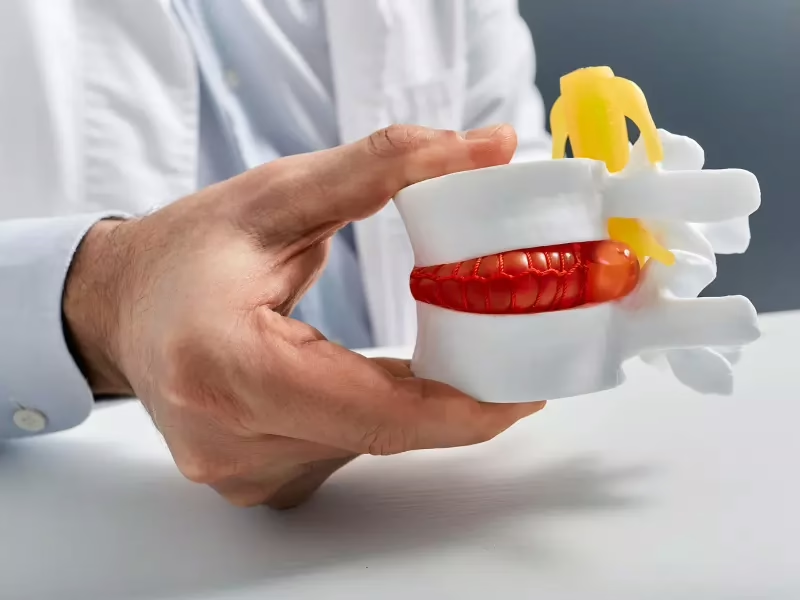
Your spinal discs act as shock absorbers between the vertebrae in your spine. Each disc has a tough outer layer (the annulus fibrosus) and a gel-like inner core (the nucleus pulposus). When the outer layer tears or weakens, the inner material can bulge or rupture outward—that’s a herniated disc.
Here’s what makes this condition so painful: when disc material pushes into the spinal canal, it can compress nearby nerves. This creates symptoms that often radiate far beyond the actual herniation site.
Common herniated disc symptoms include:
- Sharp pain in the lower back or neck
- Radiating pain down the leg (sciatica) or arm
- Numbness or tingling in the extremities
- Muscle weakness in affected areas
- Pain that worsens with sitting, bending, or lifting
Most herniated discs occur in the lumbar spine (lower back), but cervical herniations in the neck can cause significant arm pain and hand numbness. The location determines which nerves are affected and where you’ll feel the symptoms.
Why Surgery Shouldn’t Be Your First Option
When patients come to our Palm Harbor practice after being told they need surgery, they’re often scared and feeling hopeless. But here’s what the research shows: conservative treatment works for the majority of herniated disc cases.
A 2013 study in the Spine Journal found that most patients with herniated discs who underwent conservative treatment (including chiropractic care and physical therapy) experienced significant improvement without surgery. Surgery comes with risks—infection, failed back surgery syndrome, prolonged recovery—that non-surgical approaches simply don’t carry.
That said, there are legitimate cases where surgery becomes necessary. If you’re experiencing progressive neurological deficits, loss of bowel or bladder control, or severe weakness that’s worsening despite conservative care, surgical evaluation is appropriate.
But for the vast majority of herniated disc patients, starting with non-surgical treatment makes sense. You can always proceed to surgery later if needed, but you can’t undo a surgery once it’s done.
How Spinal Decompression Treats Herniated Discs
Spinal decompression therapy is one of the most effective non-surgical treatments for herniated discs—and it’s available right here in Palm Harbor at LiveWell.
The treatment uses a specialized table that gently stretches the spine in a controlled, cyclical pattern. This creates negative pressure within the disc space, which has two important effects:
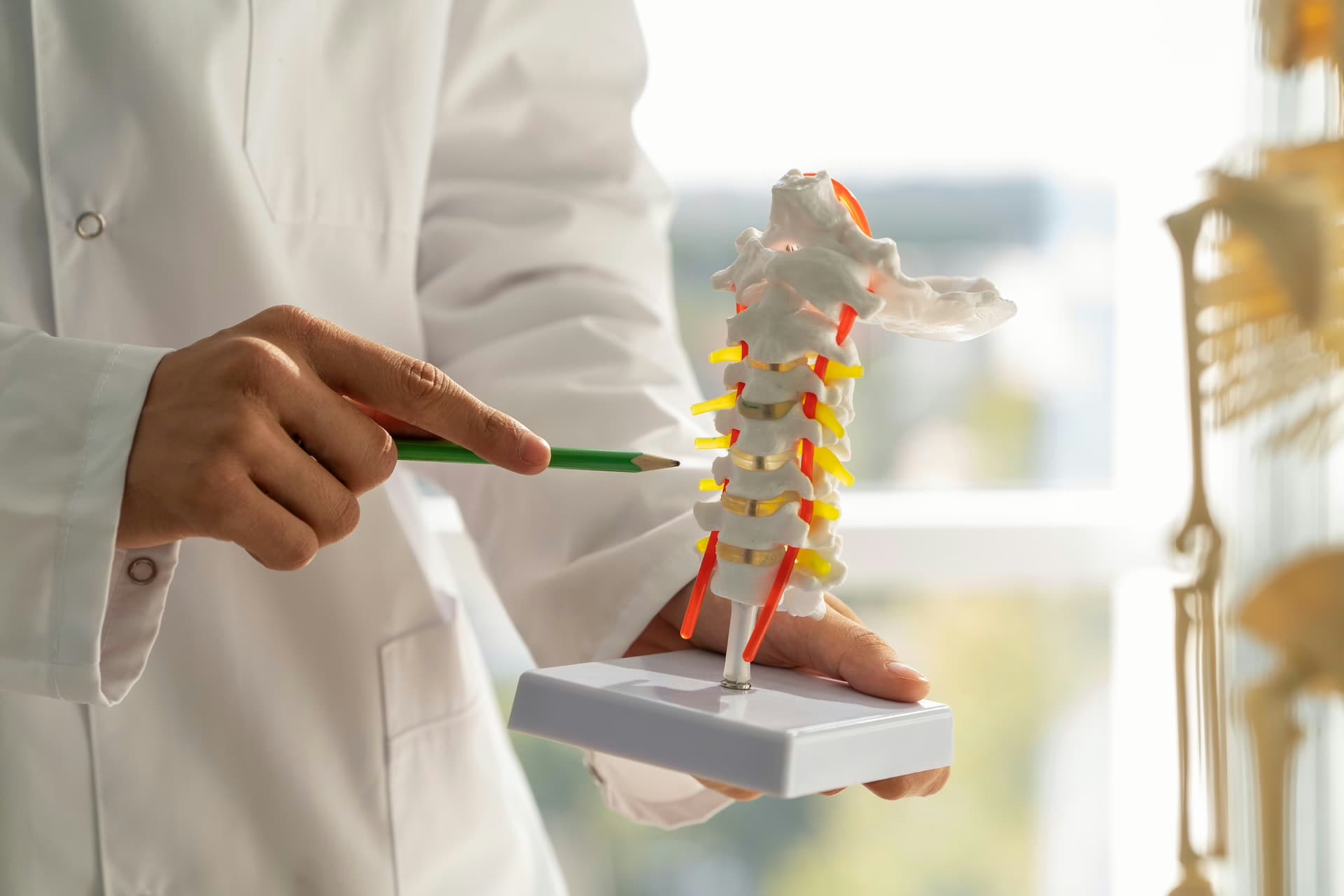
Retraction of herniated material: The negative pressure can help draw bulging disc material back toward the center of the disc, reducing nerve compression.
Increased nutrient flow: Decompression promotes the movement of water, oxygen, and healing nutrients into the disc. Because discs don’t have their own blood supply, this enhanced fluid exchange is crucial for healing.
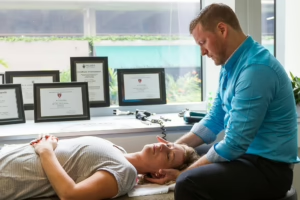
During treatment, you’ll lie comfortably on the decompression table while a harness system applies gentle traction to your spine. Most patients find it relaxing—some even fall asleep during sessions.
Treatment typically involves 15-20 sessions over 4-6 weeks, though your specific protocol depends on the severity of your condition and how you respond. Many patients notice reduced pain and improved mobility within the first few weeks.
The Role of Chiropractic Adjustments in Disc Healing
Spinal decompression is powerful, but at LiveWell, we combine it with chiropractic adjustments for even better outcomes.
When you have a herniated disc, surrounding joints often become restricted and misaligned as your body tries to protect the injured area. This creates a vicious cycle: the compensation patterns put more stress on the damaged disc and prevent proper healing.
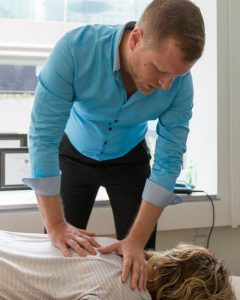
Chiropractic adjustments restore normal joint motion and alignment, which reduces mechanical stress on the herniated disc. They also improve nervous system function, helping your body regulate inflammation and pain more effectively.
Dr. Fisher uses gentle, specific techniques appropriate for disc injuries—nothing aggressive or high-velocity if your condition doesn’t warrant it. The goal is to create the optimal environment for your disc to heal while addressing the biomechanical factors that contributed to the herniation in the first place.
Rehabilitation and Strengthening: The Missing Piece
Here’s something most surgeons won’t tell you: even if you have surgery, you’ll still need rehabilitation afterward. So why not start with rehab and avoid the surgery altogether?
At our Palm Harbor clinic, we incorporate rehabilitation exercises into your herniated disc treatment plan. This includes:
Core stabilization exercises: A strong core takes pressure off your spine. We teach you how to properly engage your deep abdominal and back muscles to support your injured disc.
Flexibility work: Tight hip flexors, hamstrings, and back muscles all contribute to disc stress. We address these through targeted stretching protocols.
Postural training: Many disc herniations stem from years of poor posture. We help you retrain movement patterns so you’re not constantly loading your spine incorrectly.
Functional movement: Getting you back to the activities you love—whether that’s golf, gardening, or playing with grandkids—requires specific movement training.
This isn’t generic exercise. We customize your rehab based on which disc is involved, your symptoms, and your personal goals.
What to Expect During Treatment at LiveWell
Your first visit involves a comprehensive examination. Dr. Fisher will review your history, perform orthopedic and neurological tests, and assess your spine’s structure and function. We have on-site X-ray capabilities to visualize your spinal alignment, and if you’ve had an MRI showing your herniation, we’ll review those images to understand exactly what we’re dealing with.
From there, we create an individualized treatment plan. A typical herniated disc patient might receive:
- Spinal decompression 3 times per week
- Chiropractic adjustments 2-3 times per week
- Supervised rehabilitation exercises
- At-home care instructions and activity modifications
As you improve, we’ll gradually reduce treatment frequency and shift more focus to strengthening and prevention. The goal isn’t just to get you out of pain—it’s to give you the tools to stay healthy long-term.
Lifestyle Factors That Support Disc Healing
Dr. Fisher’s Harvard Medical School Lifestyle Medicine certification means you get guidance that extends beyond the treatment table.
Weight management: Every pound of excess body weight puts additional stress on your lumbar discs. Even modest weight loss can significantly reduce disc pressure and pain.
Hydration: Your discs are mostly water. Chronic dehydration literally shrinks your discs and makes them more vulnerable to injury. We help you establish proper hydration habits.
Inflammation control: Diet plays a huge role in managing the inflammation around herniated discs. Reducing processed foods and sugar while increasing anti-inflammatory foods (fatty fish, leafy greens, berries) supports healing.
Sleep positioning: How you sleep matters. We’ll teach you proper sleeping positions that minimize disc stress and may recommend specific pillow or mattress modifications.
These lifestyle factors won’t fix a herniated disc on their own, but they create the internal environment your body needs to heal optimally.
Why Palm Harbor Residents Choose LiveWell for Disc Treatment
When you’re dealing with a herniated disc, you want a provider who has both the technology and the expertise to treat it properly.
Dr. Fisher brings 15+ years of international experience, including 300+ hours of advanced postgraduate training in spinal rehabilitation—directly relevant to complex disc cases. His track record speaks for itself: six consecutive years of “Best Chiropractors Clearwater” awards across two different clinics.
Our location within the Ortho Integrative Medicine Institute means you have access to a modern facility with state-of-the-art spinal decompression equipment, on-site imaging, and a collaborative care model. If your case requires additional medical evaluation or intervention, we’re working alongside other healthcare providers who can provide seamless coordinated care.
Plus, we’re right here in Palm Harbor—convenient for local residents who don’t want to drive all the way to Tampa or St. Petersburg for specialized disc treatment.
We offer a free consultation, so you can explore whether our approach is right for you without any financial commitment.
Frequently Asked Questions
How long does it take for a herniated disc to heal with chiropractic care? Most patients experience significant improvement within 4-8 weeks of consistent treatment combining spinal decompression and chiropractic adjustments. Complete healing can take several months. Some patients achieve full resolution, while others manage their condition successfully with periodic maintenance care.
Can spinal decompression make a herniated disc worse? When performed correctly by a trained provider like Dr. Fisher, spinal decompression is very safe and rarely causes worsening symptoms. We carefully assess each patient to ensure decompression is appropriate, and we monitor your response closely throughout treatment.
Will my herniated disc come back after treatment? Disc herniations can recur if the underlying biomechanical problems aren’t addressed. That’s why our treatment includes rehabilitation exercises, postural training, and lifestyle guidance—not just symptom relief. Many patients who complete the full treatment protocol and maintain their exercises remain symptom-free for years.
Does insurance cover spinal decompression for herniated discs? Coverage varies by insurance plan. Some plans cover spinal decompression while others don’t. Our office can verify your benefits and provide information about financing options if needed.
Struggling with herniated disc pain and want to explore non-surgical options? Schedule your free consultation with Dr. Fisher at LiveWell Chiropractic Health Center or call (727) 591-0550 to learn how spinal decompression and chiropractic care can help you avoid surgery.