

Are you stressed?
Are you experiencing tension in your neck, back, shoulders or other parts of the body?
You find it hard to relax and switch off after work?
Are you sensitive to loud noises or bright lights?
Do you suffer from migraines or headaches?
Are digestive issues like bloating, constipation, IBS, diarrhea, or allergies affecting you?
Does your condition worsen under stress?
You may have difficulty falling or staying asleep.
Are you anxious or worried about something?
Are you struggling with memory, concentration or decision-making issues?
If you answer yes to these questions on a regular base, your body may be trying to let you know it is under stress.
We’ll examine stress in greater detail, including its different types, symptoms and survival strategies, in the next blog. We’ll be focusing on the negative side of stress but it’s important to recognize that not all stress causes harm.
Stress Is Good For Us
Stress can give your brain and body the energy and strength to thrive.
Exercise, for example, can cause stress, but when done correctly, it has many benefits.
- Increased bone density helps reduce the risk of osteoporosis.
- Improves blood flow, metabolism, waste elimination and muscle size.
- Promotes proper nerve signals from the brain to your body. This helps you move smoothly.
Stress can boost your body’s ability to fight disease and illness. It’s interesting to note that less than 1% all bacteria can cause illness in humans. Manageable stress, however, can help strengthen your body’s defences.
Research shows that a little mental stress is good for us. It can reduce the risk of dementia in later life. Emotional challenges can also help us express ourselves and connect with our emotions. Stress is perceived differently by each person. It can also vary from one day to the next, or even moment to moment. Stress can take many forms and we humans experience it at different levels. It is important to find the right balance when it comes to stress. Since decades, scientists have shown that stress is linked to many diseases and conditions. These include heart disease, cancer, allergies, digestive problems, ulcers and diabetes as well as psychological disorders like anxiety and depression. Finding a happy middle is the key.
We are exposed to stress in three forms: chemical, physical, and emotional.
Chemical Stress
Chemical stress is caused by substances that we come into contact with through:
- Diet: All the food and beverages we consume. This includes any preservatives or pesticides.
- Drugs, lifestyle and other choices: These include prescription and recreational drugs as well as cosmetics like creams or makeup.
- Pollution and environmental toxic substances: These are the contaminants found in the air, water, and environment.
In a shocking study, the umbilical chords of 10 newborn babies contained 287 chemicals. The study found that:
- Cancer is known to be caused by 180 substances.
- 217 is toxic to the nervous system and brain.
- In animal studies, 208 has been found to cause birth defects.
Physical Stress
When we think about physical stress, we usually picture major events such as:
- Macro traumas include car accidents, sports injuries, and falls.
We often ignore the subtler causes of physical stress such as:
- Micro traumas include poor posture, prolonged sitting, inactivity, and lifting objects incorrectly.
A worrying trend is the fact that postural and degenerative changes, which are usually seen in older people, can now be found in younger individuals. This is largely because of extensive phone use and other technologies. These daily habits can cause physical stress that is cumulative and take a toll over time.
Mental Stress
Mental stress can be divided into three categories:
- Social stress
- Stress and psychological stress
- Stress emotional
Stress can be caused by a variety of factors, including work pressure, difficult situations, bullying, harassment, loss of loved one, separation from family, relationship problems, financial difficulties, and other life stresses.
This staggering statistic shows the extent of mental stress. In 2022, more than 40% of those aged 16-85 will have suffered from depression, anxiety or substance abuse or some combination thereof.
How Does Stress Affect Us?
Stress can come in many forms but it has a similar effect on our body.
Under stress, the sympathetic nervous response, or “fight-or-flight” response, is activated by your brain. This response puts your body in survival mode and directs all energy to your “life-preserving systems” this response:
- You will notice an increase in your heart rate and blood-pressure.
- You breathe faster as you take in more oxygen.
- You tense your muscles, you push your head forward, you hunch your shoulders, and your pupils dilate as they scan the surroundings. This is all a preparation for action whether it’s to fight or run.
This response, while essential in an immediate situation of danger (such as when facing a wild creature), diverts energy away from other functions that are not necessary for survival. These include digestion, reproduction and emotional well-being.
Adrenal glands are activated, releasing stress-related hormones such as adrenaline and cortisol. These increase your energy and alertness. When you are in danger, this state of alertness is helpful. However, when the stress is chronic or prolonged, it can have a variety of negative effects. Stress can cause long-term problems in your health.
Our parasympathetic system, which controls the “rest-and-digest” response, doesn’t have a chance to work when stress takes over. We remain in a sympathetic dominance state, always in flight or fight mode. The body’s stress reaction is very effective in helping us to escape danger but it’s not meant to work this way for a long time.
Stress that is chronic or prolonged can make our natural reaction less effective, and sometimes even harmful. Our body’s systems can become overworked and our brain can be stuck in a stress state. Our body can continue to respond as if the stressor is still occurring, even after it has passed.
The Tiger Still Seems To Be In The Room
Stress can cause us to forget things, lose our mental clarity, have difficulty making decisions, and reduce our concentration. Sleep disturbances, digestive problems, and weight fluctuations are common. We also have a tendency to adopt unhealthy habits, such as drinking more coffee or alcohol, eating less, skipping exercises, or for some, smoking.
Stress can cause serious health problems, resulting in a variety of symptoms.
- Mental and emotional symptoms: Headaches and depression.
- Skin and hair: increased sensitivity, acne and hair loss.
- Heart and circulation: A faster or irregular pulse; higher blood pressure; increased risk of high cholesterol and heart attack.
- Digestive system : nausea, stomach pains, heartburn, weight gain, loss or changes in appetite, diabetes risk, diarrhoea and constipation.
- Reproductive health: Women experiencing irregular or painful cycles, while men may experience low sperm or impotence.
Stress can also cause our muscles to tighten up, as brain signals cause them to do so.
Subluxation is a spinal dysfunction that can occur when stress, whether chemical, physical or emotional, becomes overwhelming or constant. It further reduces the body’s capacity to function at its best, adding to a system already under stress.
Imagine plugging in all your electrical appliances into one socket, turning them on simultaneously and overloading the circuits. This will blow a fuse. In the same way, too much pressure on your nervous system could “blow a fuses”, disrupting communication between brain and body. It can cause symptoms such as pain, numbness or tingling. It’s not only your muscles that are affected by nerve damage. The heart, lungs and liver as well as hormone production and all cells in your body can be affected.
When There is Misalignment
Altered motion or tension in the spine, it can interfere with the information flow along the spinal nerves. This affects the entire nervous system. Your nervous system cannot manage stress effectively when your spine is misaligned. You are stuck in “fight or Flight” mode.
If there was a tiger in the room, you wouldn’t be able to focus fully on vital functions such as reproduction, digestion and sleep quality. If you are subluxated then the “tiger” will stay in your room, even if you have a healthy diet and regular exercise. You could experience poor nutrient intake, ineffective exercise and restless sleeping.
When you are under stress, whether it is buying a home, getting married, having children, or making an important business decision, ensuring that your nervous system works optimally can help you to navigate the challenges.
What Can You Do About Stress?
Chemical Stress
- Reduce processed foods and increase healthy food.
- Air and water filters can help reduce exposure to environmental contaminants.
- Subluxations can reduce your need for medications, increase nutrient absorption and help you eliminate toxins.
Physical Stress
- Misaligned spinal alignment can prevent your body from performing at its best. Correcting subluxations can improve organ and tissue function.
- According to one study, athletes who reduced their forward head posture improved in terms of speed, agility and jumping abilities. The improvements were directly proportional to the degree at which posture was corrected.
Emotional stress
- Breathing is important. Deep breathing techniques such as box breathing can help you relax, reduce blood pressure and heart rate. This can help you get out of a state of anxiety and improve your focus. Breathe in deeply through your nose, hold for a moment, and then breathe out through your mouth longer than what you inhaled.
- Subluxation puts stress on your nervous system and prevents your brain from communicating accurately with your body. It reduces the body’s ability to function naturally and limits your capacity to experience life.
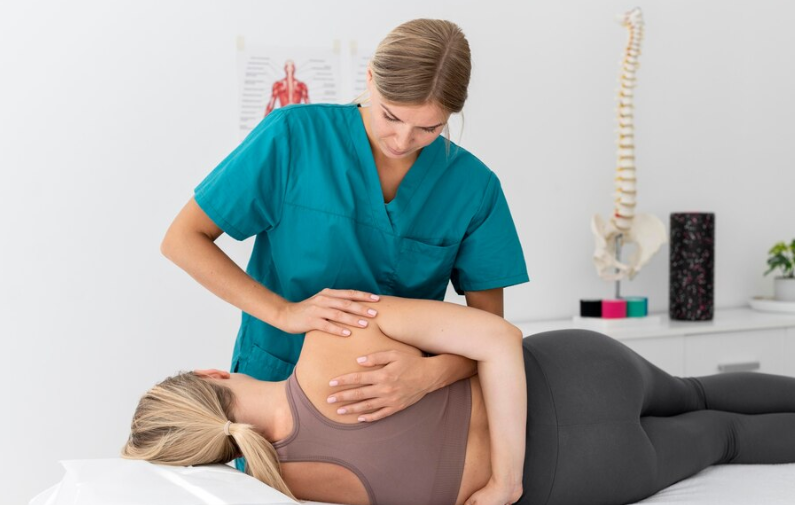
- Subluxations caused by stress also increase stress in your body. This keeps you in a cycle of stress response dominance. Regular chiropractic care can help you cope better with stress both physically and mentally.
Benefits of Chiropractic Treatment
Chiropractic care can:
- Clarity and alertness are improved by increasing brain function.
- Improve spinal flexibility and mobility.
- Rest, sleep and body regeneration can be improved.
- Boost your immune system.
- Support emotional well-being.
- Relieve aches and pains such as back pain, neck and headaches.
- Stress and anxiety can be managed better by improving your ability to cope with them.
- You can be more productive when under pressure, and relax when you need to.
Stress is part of everyday life. However, when it is constant or prolonged it can negatively impact your health. The key to managing stress is to learn how to effectively manage it, rather than trying to eliminate it.
Chiropractic adjustments can help reduce stress, but lifestyle changes combined with chiropractic adjustments will likely be more effective. Here are some tips to help your nervous system and body function at their best.
- Eat well: Feed your body healthy, fresh foods to help manage stress levels.
- Avoid stimulants and depressants. Nicotine, alcohol and caffeine can increase your blood pressure and disrupt sleep.
- Exercise regularly: Walking or swimming, which are moderate activities, can reduce stress and release “feel-good hormones”.
- Breathe deeply: By breathing into the base your lungs, you can stay calm and centered.
- Communication: Tell people who you trust how you feel.
- Plan Ahead. Focus on short-term goals and break down long-term projects into manageable pieces.
- Prioritise fun activities: Choose to do things that will bring you joy and relaxation.
For assistance, contact Livewell Chiropractic or a trusted health professional near you.
Livewell Chiropractic Offers A Free Initial Consultation
- Review of the medical history.
- A postural assessment.
- Comprehensive examination of the joints, muscles and nervous system.
- If clinically indicated, full spine X-rays with a Medicare card in good standing.
This comprehensive evaluation will identify any underlying problems, so you can receive the best care for your specific needs.