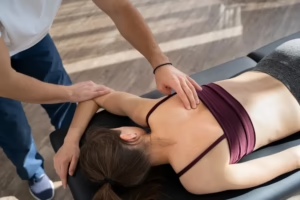


Chiropractic care offers effective arthritis pain management by improving joint mobility, reducing inflammation, and addressing biomechanical compensations—helping patients maintain active lifestyles without relying solely on medication. At LiveWell Chiropractic Health Center, Dr. Travis Fisher, DC provides gentle, individualized treatment for arthritis that focuses on improving function and quality of life for Countryside Clearwater residents dealing with this chronic condition.
If you have arthritis, you’ve probably been told it’s something you just have to “live with”—but that doesn’t mean you have to live with constant pain and limited mobility.
Understanding Arthritis: What’s Happening in Your Joints
Arthritis isn’t a single disease—it’s an umbrella term for over 100 conditions that cause joint pain and inflammation. The two most common types we see at our practice are osteoarthritis and rheumatoid arthritis.
Osteoarthritis (OA) is the “wear-and-tear” type. Over time, the protective cartilage that cushions your joints breaks down. Without this cushioning, bones rub against each other, causing pain, stiffness, and swelling. OA typically affects weight-bearing joints like knees, hips, and the spine, though it can occur in hands and other areas too.
Rheumatoid arthritis (RA) is an autoimmune condition where your immune system mistakenly attacks the lining of your joints, causing inflammation. Unlike OA, which develops gradually over decades, RA can come on quickly and tends to affect joints symmetrically (both hands, both knees, etc.).
Both types create similar symptoms:
- Joint pain and stiffness, especially in the morning
- Reduced range of motion
- Swelling and warmth around affected joints
- Grinding or clicking sensations with movement
- Fatigue (particularly with RA)
The challenge with arthritis is that it’s progressive. While we can’t reverse the damage that’s already occurred, we can absolutely slow progression and manage symptoms effectively.
How Chiropractic Care Helps Manage Arthritis
When I tell patients with arthritis that chiropractic care can help, they sometimes look skeptical. “Aren’t adjustments too forceful for arthritic joints?” It’s a fair question—and the answer is that we use completely different techniques for arthritis patients.
Gentle Joint Mobilization
For arthritic joints, we use low-force mobilization techniques rather than high-velocity adjustments. This involves gentle, rhythmic movements that take the joint through its available range of motion without forcing it beyond what’s comfortable.
This mobilization serves several purposes:
- Maintains joint flexibility and prevents further stiffening
- Stimulates the production of synovial fluid (the natural lubricant in your joints)
- Reduces adhesions and scar tissue that limit movement
- Decreases pain signals being sent to the brain
Think of it like applying oil to a rusty hinge. The movement itself, done gently and consistently, helps the joint work better.
Addressing Compensatory Patterns
Here’s something most people don’t realize about arthritis: when one joint hurts and doesn’t move well, your body compensates. If your right knee has severe arthritis, you’ll unconsciously shift more weight to your left leg, which then develops its own problems from overuse.
These compensation patterns create a cascade of issues throughout your musculoskeletal system. Someone with hip arthritis might develop lower back pain. A person with arthritic hands might develop neck pain from the awkward ways they grip things.
Chiropractic care identifies and corrects these compensations before they become additional chronic problems.
Reducing Inflammation Naturally
Spinal adjustments—particularly in the areas controlling nerve supply to arthritic joints—can help regulate your nervous system’s inflammatory response. A 2020 study in the Journal of Manipulative and Physiological Therapeutics found that chiropractic care was associated with reduced inflammatory markers in patients with chronic conditions.
While chiropractic doesn’t cure the autoimmune component of RA, it can help manage the mechanical inflammation and pain associated with both OA and RA.
Lifestyle Medicine Approach to Arthritis Management
Dr. Fisher’s Harvard Medical School Lifestyle Medicine certification shapes how we approach arthritis care at LiveWell. Medication might manage symptoms temporarily, but lifestyle factors determine how well you function long-term.
Weight Management

Every pound of excess body weight puts roughly 4 pounds of additional pressure on your knees. For someone 20 pounds overweight, that’s 80 extra pounds of force with every step. Losing even modest amounts of weight can significantly reduce arthritis pain and slow joint degeneration.
We provide practical guidance on sustainable weight management—not crash diets, but realistic nutrition changes you can maintain for life.
Anti-Inflammatory Nutrition
Diet profoundly affects inflammation levels in your body. The standard American diet—heavy in processed foods, sugar, and unhealthy fats—promotes inflammation. An anti-inflammatory diet does the opposite.
Key nutritional strategies for arthritis:
- Increase omega-3 fatty acids (fatty fish, walnuts, flaxseed)
- Load up on colorful vegetables and fruits rich in antioxidants
- Choose whole grains over refined carbohydrates
- Limit or eliminate processed foods, excess sugar, and trans fats
- Stay well-hydrated (dehydration worsens joint stiffness)
Some patients with RA also benefit from identifying and eliminating specific food triggers, though this is highly individual.
Appropriate Exercise and Movement
You might think exercise would worsen arthritis, but the opposite is true. Appropriate movement is crucial for maintaining joint function, building supportive muscle strength, and managing weight.
The key word is “appropriate.” High-impact activities like running might be too much for arthritic knees, but swimming, water aerobics, cycling, and walking are typically well-tolerated. We design exercise programs specific to your condition and capabilities.
At LiveWell, our rehabilitation services include supervised therapeutic exercises that strengthen the muscles around arthritic joints without aggravating the joint itself.
Stress Management and Sleep
Chronic stress worsens inflammation and pain perception. Poor sleep does the same. Both are particularly problematic for people with rheumatoid arthritis, where stress can trigger flare-ups.
We incorporate stress management techniques and sleep hygiene education into arthritis care plans. Chiropractic adjustments themselves often improve sleep quality by reducing pain and promoting nervous system balance.
Comparing Chiropractic Care to Traditional Arthritis Treatments
Most people with arthritis are prescribed NSAIDs (non-steroidal anti-inflammatory drugs) like ibuprofen or naproxen. These can be helpful for managing pain, but long-term use carries risks: gastrointestinal bleeding, kidney problems, cardiovascular issues.
Corticosteroid injections provide temporary relief but can actually accelerate cartilage breakdown with repeated use. And while disease-modifying medications for RA are important and necessary, they come with their own side effects.
Chiropractic care isn’t a replacement for appropriate medical management—especially for RA, which requires medical oversight. But it can reduce your reliance on medications by addressing the mechanical and functional components of arthritis pain.
Many of our Countryside Clearwater patients find they can reduce their medication dosages (in consultation with their physicians) once they’re receiving regular chiropractic care. They experience better pain control with fewer side effects.
What to Expect During Arthritis Treatment at LiveWell
Your first visit involves a comprehensive assessment. Dr. Fisher will review your medical history, current medications, and specific arthritis diagnosis. We’ll examine your affected joints, assess your overall spinal alignment and posture, and identify compensation patterns.
If you haven’t had recent imaging (X-rays or MRI), we have on-site X-ray capabilities to evaluate the extent of joint degeneration. This helps us understand exactly what we’re working with and tailor treatment appropriately.
Your treatment plan might include:
- Gentle joint mobilization 2-3 times per week initially
- Soft tissue therapy to address muscle tension
- Specific exercises to maintain joint function and build strength
- Nutritional counseling focused on anti-inflammatory eating
- Lifestyle recommendations for managing symptoms at home
As your function improves, we’ll gradually reduce treatment frequency and focus more on maintenance care and self-management strategies.
Special Considerations for Different Types of Arthritis
Osteoarthritis in the Spine
Spinal osteoarthritis is extremely common, especially in people over 60. The facet joints (small joints connecting vertebrae) develop the same cartilage breakdown as other joints.
Chiropractic care for spinal OA focuses on maintaining mobility in the segments above and below the arthritic areas, preventing excessive stress concentration. We also address any posture problems that accelerate degeneration.
Knee and Hip Arthritis
These weight-bearing joints benefit tremendously from the combination of chiropractic care and lifestyle modifications. Adjustments to the pelvis and lower spine often reduce stress on arthritic hips and knees.
We also provide guidance on assistive devices (braces, canes) when appropriate, and help patients determine when joint replacement might become necessary.
Hand and Wrist Arthritis
Arthritis in the hands can be particularly frustrating because it affects so many daily activities. Gentle mobilization of the small joints in the hands and wrists, combined with soft tissue work, helps maintain function.
We also assess the neck and upper spine, since nerve supply to the hands originates there. Sometimes addressing cervical spine issues improves hand arthritis symptoms.
The Reality of Living Well with Arthritis
Let me be honest: we can’t cure arthritis. The joint damage that’s already present is permanent. But “permanent” doesn’t mean “hopeless.”
In my years of practice, I’ve treated hundreds of arthritis patients who initially thought their active lives were over. Many of them—with consistent care and lifestyle modifications—are hiking, golfing, gardening, playing with grandchildren, and doing all the things they value.
The goal isn’t to make you pain-free 100% of the time (though some patients do achieve this). The goal is to maximize your function, minimize your pain, and keep you as active and independent as possible for as long as possible.
That’s entirely achievable with the right approach.
Why Countryside Clearwater Residents Choose LiveWell
Countryside Clearwater‘s demographics include many retirees and older adults dealing with arthritis—exactly the population Dr. Fisher is passionate about serving. His international experience and advanced training in spinal rehabilitation provide the expertise needed to manage complex chronic conditions like arthritis.
Our location within the Ortho Integrative Medicine Institute means you’re getting care in a modern facility with access to multiple healthcare providers if needed. We can coordinate with your rheumatologist, primary care physician, or orthopedic surgeon to provide truly integrated care.
Plus, with six consecutive years of “Best Chiropractors Clearwater” recognition, we have a proven track record of delivering the kind of results that keep patients coming back and referring their friends.
We offer a free consultation because we want you to feel comfortable exploring whether our approach is right for your arthritis management.
Frequently Asked Questions
Can chiropractic care make arthritis worse? When performed correctly by a trained chiropractor, chiropractic care should not worsen arthritis. We use gentle techniques appropriate for arthritic joints and avoid any movements that cause increased pain or inflammation. Most patients experience reduced pain and improved function.
How often will I need treatment for arthritis? Initially, you might need care 2-3 times per week to reduce inflammation and restore mobility. As your condition stabilizes, we typically transition to weekly or bi-weekly maintenance care. Many patients find that regular maintenance adjustments keep their arthritis manageable long-term.
Will I always have pain with arthritis? Not necessarily. While arthritis is a chronic condition, many patients achieve significant pain reduction or even pain-free periods with proper management. The key is consistent care, lifestyle modifications, and addressing flare-ups promptly before they become severe.
Can younger people with arthritis benefit from chiropractic care? Absolutely. While arthritis is more common in older adults, younger people can develop it too—particularly rheumatoid arthritis or osteoarthritis from previous injuries. Chiropractic care benefits arthritis patients of all ages by maintaining joint function and preventing compensatory problems.
Living with arthritis pain and want a natural approach to management? Schedule your free consultation with Dr. Fisher at LiveWell Chiropractic Health Center or call (727) 591-0550 to learn how chiropractic care and lifestyle medicine can help you stay active and independent.